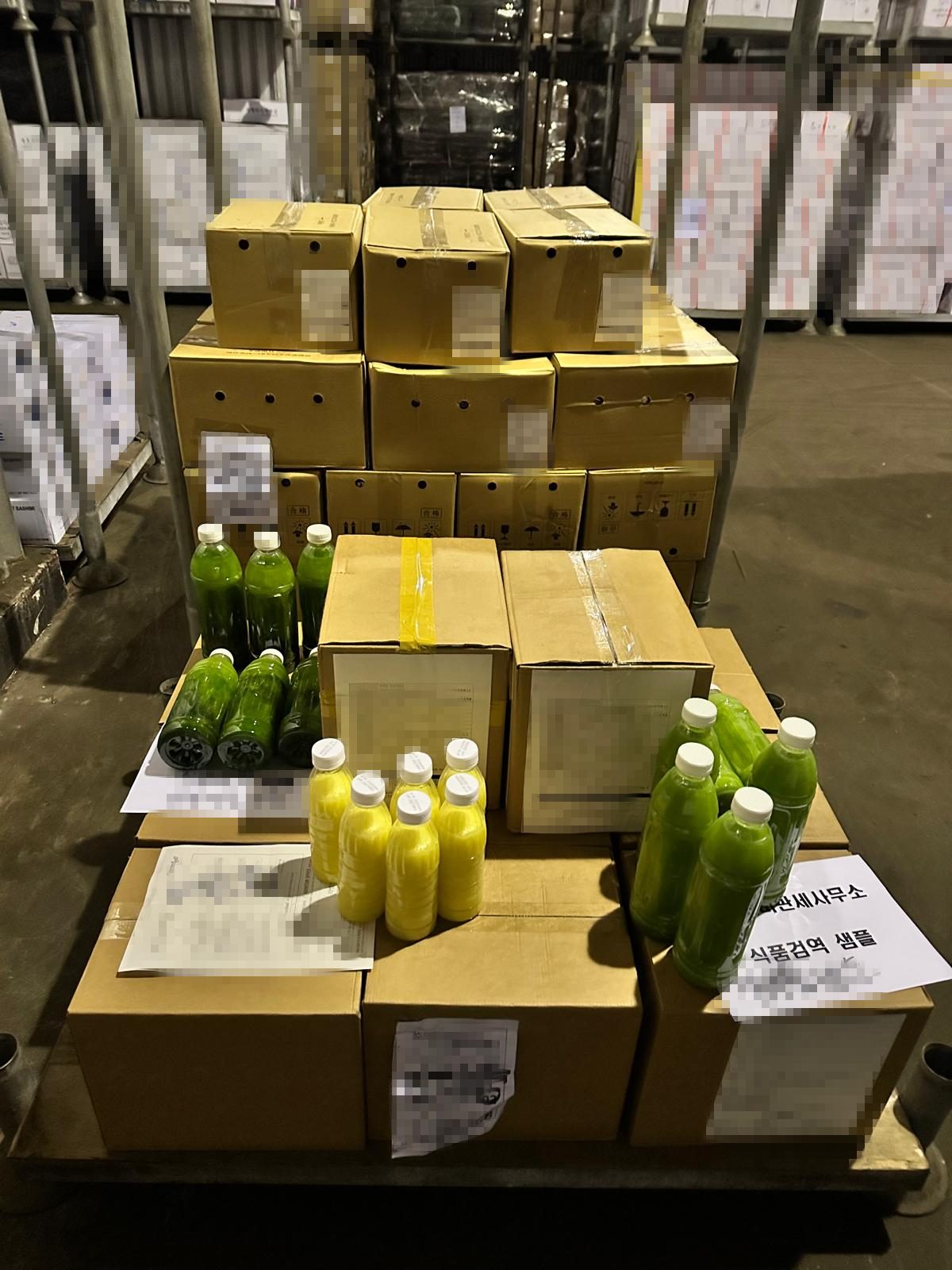
Food is an everyday category, but it's also one of the most tightly regulated when it comes to import safety. A single missing document or label wording can trigger a hold or a return, so it pays to check everything before the shipment even leaves origin.
1. Overseas manufacturer registration
Under Korea's Special Act on Imported Food Safety Control, any overseas facility manufacturing or processing food for import must be pre-registered with the Ministry of Food and Drug Safety. Without this registration, the import declaration itself can be rejected, so confirm it's in place before goods ship.
2. Import declaration, and random or precision inspection
- Import declarations go through the Import Food Information system, and whether a shipment faces document review, on-site inspection, or precision testing depends on the product and origin.
- Products or companies with a history of non-compliance face stricter inspection, which extends clearance time.
- If a shipment is selected for precision testing, results can take several days, so build buffer into your schedule.
3. Korean labeling requirements
Ingredient list, allergen disclosures, expiration (or best-before) date, and storage instructions all need to be properly disclosed in Korean under the Act on Labeling and Advertising of Foods. Cargo that doesn't meet labeling requirements needs relabeling in bonded storage, which delays release.
4. Confirm HS code and duty rate early
Food HS codes are subdivided by processing level and ingredient composition, and duty rates vary accordingly. Confirming the exact rate ahead of time makes cost planning far more accurate.
How Capra helps
Capra Logistics specializes in food and fresh food import declarations, with labeling and inspection-risk issues reviewed directly by our licensed customs broker. Quarantine, customs clearance, and warehousing are all handled through a single point of contact by our forwarding and customs specialists working as one team.